Turn Physical Art into NFT 2025
Introduction
The digital art landscape continues to evolve in 2025, with non-fungible tokens (NFTs) offering new opportunities for artists and collectors to bridge physical and digital creativity. The global NFT market is expected to reach $61 billion in 2025 and $247 billion in 2029, presenting significant opportunities for those looking to digitize their physical artwork.
However, turning physical art into NFTs involves more than just creating a digital copy. This comprehensive guide covers the process, legal considerations, costs, and realistic expectations for converting your paintings, sculptures, or sketches into blockchain-verified NFTs.
Understanding NFTs and Physical Art Conversion
What Does “Turning Physical Art into NFT” Actually Mean?
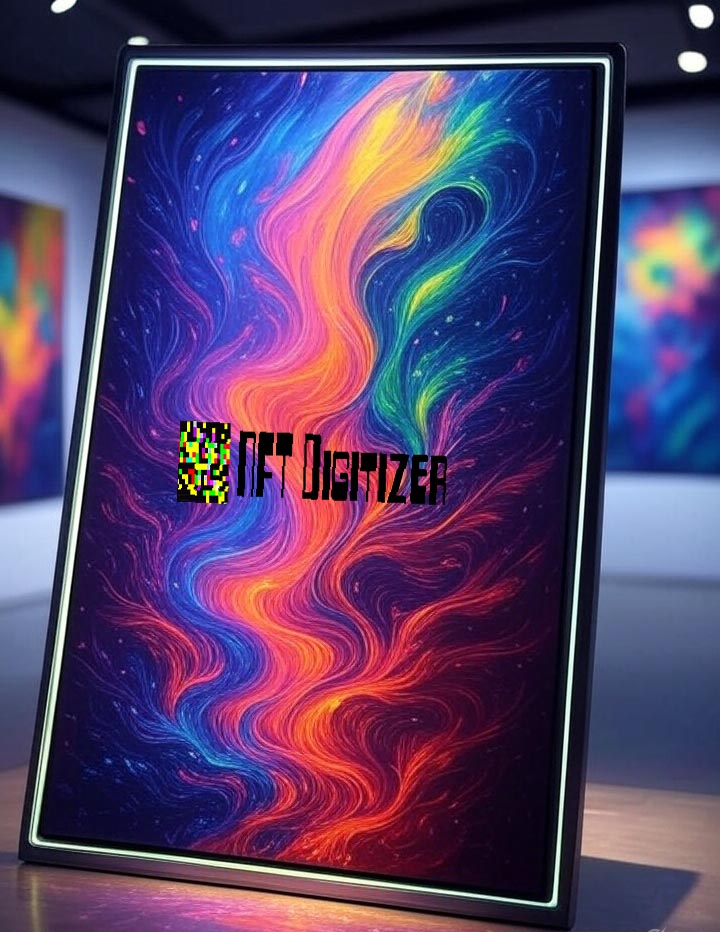
When you create an NFT of physical art, you’re not digitizing the artwork itself—you’re creating a unique digital token on a blockchain that represents or references your physical piece. The artwork or asset the NFT links to is protected under copyright law. However, the token on the blockchain isn’t.
Market Reality Check
While the NFT market shows potential for growth, it’s important to understand current market conditions. The NFT space has experienced significant volatility, with many projects seeing decreased activity compared to the peak years of 2021-2022. Success in NFT sales often depends on factors beyond just the artwork itself, including marketing, community building, and timing.
Legal Considerations: What You Need to Know
Copyright and Ownership Issues
Critical Legal Point: Acquiring ownership of an NFT representing a work in which copyright subsists does not, without more, grant the new owner of the NFT copyright in the underlying work. Here’s what this means:
- You retain copyright: When you mint an NFT of your physical art, you typically retain all copyright unless explicitly transferred
- NFT buyers get limited rights: Purchasers usually receive only the right to own and potentially resell the NFT, not reproduce or commercially use the artwork
- Clear documentation is essential: Many NFT marketplaces seek to protect themselves from issues of copyright ownership by requiring those minting NFTs to represent that they have the appropriate rights
Legal Risks and Protections
For Artists:
- Ensure you own full rights to the artwork before minting
- Consider whether you want to license any usage rights to NFT buyers
- Be aware that unauthorized reproductions of your work as NFTs by others can occur
For Buyers:
- Questions persist about whether creators are entitled to royalties on secondary sales
- Understand that owning an NFT doesn’t grant copyright ownership
- The copyright holder maintains control over the utilization of the original work
Step-by-Step Process: How to Turn Physical Art into NFT
Step 1: Prepare Your Digital Assets
- Create high-resolution scans or photographs (minimum 2400×2400 pixels recommended)
- Ensure proper lighting and color accuracy
- Consider multiple angles for sculptural works
- Prepare detailed documentation of the physical piece
Step 2: Choose Your Blockchain Platform
Popular options include:
- Ethereum: Most established, highest fees
- Polygon: Lower fees, good for beginners
- Solana: Fast transactions, growing ecosystem
- Base: Newer option with lower costs
Step 3: Select an NFT Marketplace
OpenSea: OpenSea’s seller fee is 2.5% for every single NFT sale
- Largest marketplace with global reach
- User-friendly interface
- Wide range of supported blockchains
Rarible: Rarible has a tiered fee structure… with Rarible taking 1% on the buyer side and 1% on the seller side of each sale on the marketplace
- More creator-friendly royalty options
- Rarible allows creators to set royalty fees up to 50%
- Community governance features
Step 4: Create Comprehensive Metadata
Include:
- Artwork title and description
- Artist biography and statement
- Physical artwork details (dimensions, materials, year created)
- Provenance information
- High-quality images or 3D scans
- Certificate of authenticity
Step 5: Mint Your NFT
- Connect your cryptocurrency wallet
- Upload your digital files
- Fill in all metadata fields
- Set initial pricing and royalty percentages
- Pay minting fees (varies by blockchain)
Step 6: List and Promote Your NFT
- Set competitive pricing based on similar works
- Create compelling descriptions
- Share on social media platforms
- Engage with NFT communities
- Consider limited edition releases
Cost Breakdown: What to Expect
Minting Costs
- Ethereum: $50-200+ depending on network congestion
- Polygon: $0.01-$5 per mint
- Solana: $0.01-$1 per mint
Marketplace Fees
- OpenSea: 2.5% fee on secondary scales and has a sliding scale fee structure between 2.5% to 10% on primary drops
- Rarible: sliding scale fee structure between 0.5-7.5%
Additional Costs
- Professional photography/scanning: $100-500
- Legal consultation: $200-500
- Marketing and promotion: Variable
- Gas fees for transactions: $5-100+ (Ethereum)
Benefits of Creating NFTs from Physical Art
For Artists
- Global reach: Access international collectors without physical shipping
- Provenance tracking: Blockchain provides permanent ownership history
- Royalty opportunities: Earn from secondary sales (where enforced)
- Digital portfolio: Create comprehensive online presence
- Dual revenue streams: Sell both physical and digital versions
For Collectors
- Authenticity verification: Blockchain provides tamper-proof ownership records
- Easier trading: Digital assets can be transferred instantly
- Fractional ownership: Potential for shared ownership models
- Portfolio diversification: Bridge traditional and digital collecting
Realistic Expectations and Market Challenges
Current Market Conditions
The NFT market has matured significantly since its peak in 2021-2022. Success factors include:
- Utility over speculation: Focus on artwork value rather than investment potential
- Community building: Engage with collectors and other artists
- Consistent quality: Maintain high standards across all releases
- Patience: Building a collector base takes time
Common Challenges
- Market saturation: Millions of NFTs compete for attention
- Technical barriers: Learning blockchain technology can be complex
- Environmental concerns: Some blockchains have high energy consumption
- Royalty enforcement: Not all marketplaces honor creator royalties
Best Practices for Success
Creating Value
- Tell compelling stories: Share the inspiration and process behind your work
- Offer exclusive content: Provide additional digital assets or experiences
- Build community: Engage with collectors and other artists
- Maintain quality: Ensure professional presentation and documentation
- Price strategically: Research comparable works and market conditions
Legal Protection
- Document everything: Keep detailed records of creation and ownership
- Use clear licensing terms: Specify what rights buyers receive
- Protect your brand: Monitor for unauthorized use of your work
- Consider registration: Register copyrights for valuable works
- Seek legal advice: Consult with intellectual property attorneys for valuable pieces
Technology and Tools
Recommended Software
- Image editing: Adobe Photoshop, GIMP
- 3D scanning: Polycam, RealityCapture
- Metadata management: Excel, Google Sheets
- Wallet management: MetaMask, Rainbow, Coinbase Wallet
Professional Services
- Photography: Specialized art photographers
- Legal: Intellectual property attorneys
- Marketing: NFT marketing specialists
- Technical: Blockchain developers for complex projects
Environmental Considerations
Different blockchains have varying environmental impacts:
- Ethereum: Transitioned to proof-of-stake, significantly reduced energy use
- Polygon: Built on energy-efficient consensus mechanisms
- Solana: Designed for low energy consumption
- Tezos: Specifically marketed as eco-friendly blockchain
Future Outlook
The NFT space continues to evolve with new developments:
- Integration with AI: AI-enhanced NFTs and generative art
- Utility NFTs: Tokens that provide access to services or experiences
- Cross-platform compatibility: Improved interoperability between platforms
- Regulatory clarity: Developing legal frameworks for digital assets
Conclusion
Converting physical art into NFTs can open new opportunities for artists and collectors, but success requires careful planning, legal awareness, and realistic expectations. The technology offers genuine benefits for provenance tracking, global reach, and new revenue models, but the market remains competitive and unpredictable.
Focus on creating quality work, building genuine relationships with collectors, and understanding the legal implications of your choices. Whether you’re an established artist looking to expand into digital markets or a collector interested in bridging physical and digital ownership, the key is to approach NFTs as a tool for enhancing rather than replacing traditional art practices.
NFT – what is it and why is it needed? – NFT Digitizer
Additional Resources
- OpenSea: opensea.io – Largest NFT marketplace
- Rarible: rarible.com – Creator-friendly marketplace
- Ethereum: ethereum.org – Leading blockchain platform
- Polygon: polygon.technology – Scaling solution for Ethereum
- Copyright.gov: copyright.gov – U.S. Copyright Office resources
- NFT Legal Guide: Contact intellectual property attorneys for specific legal advice
Disclaimer: This guide provides general information and should not be considered legal advice. Consult with qualified professionals for specific legal, financial, or technical guidance related to your particular situation.